December 3, 2025
Science advice in a populist age
Communicating evidence in times of distrust
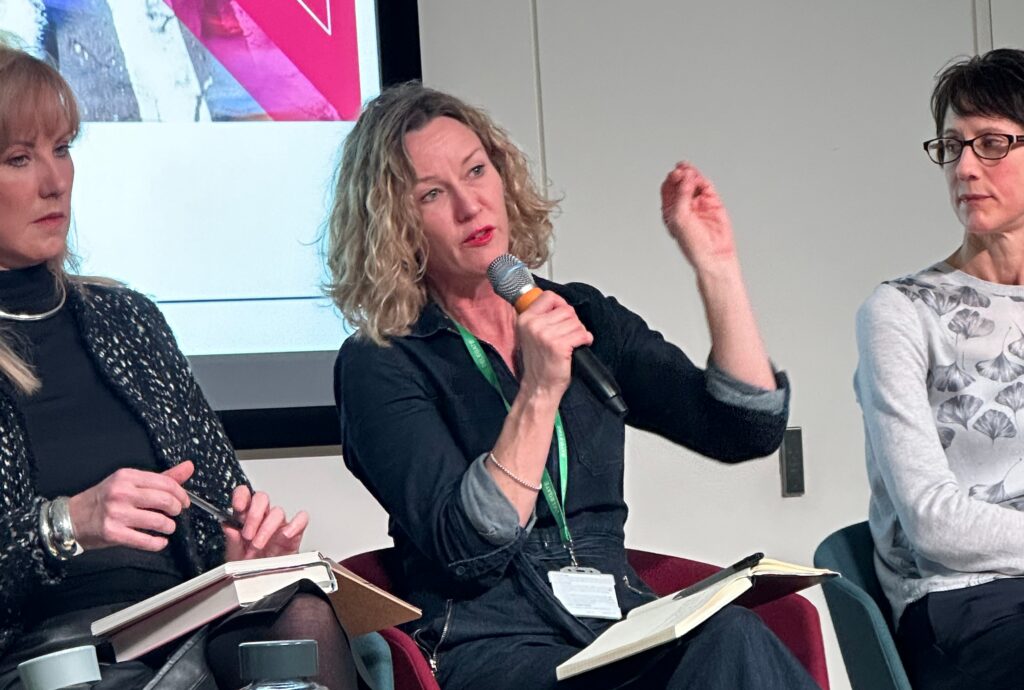
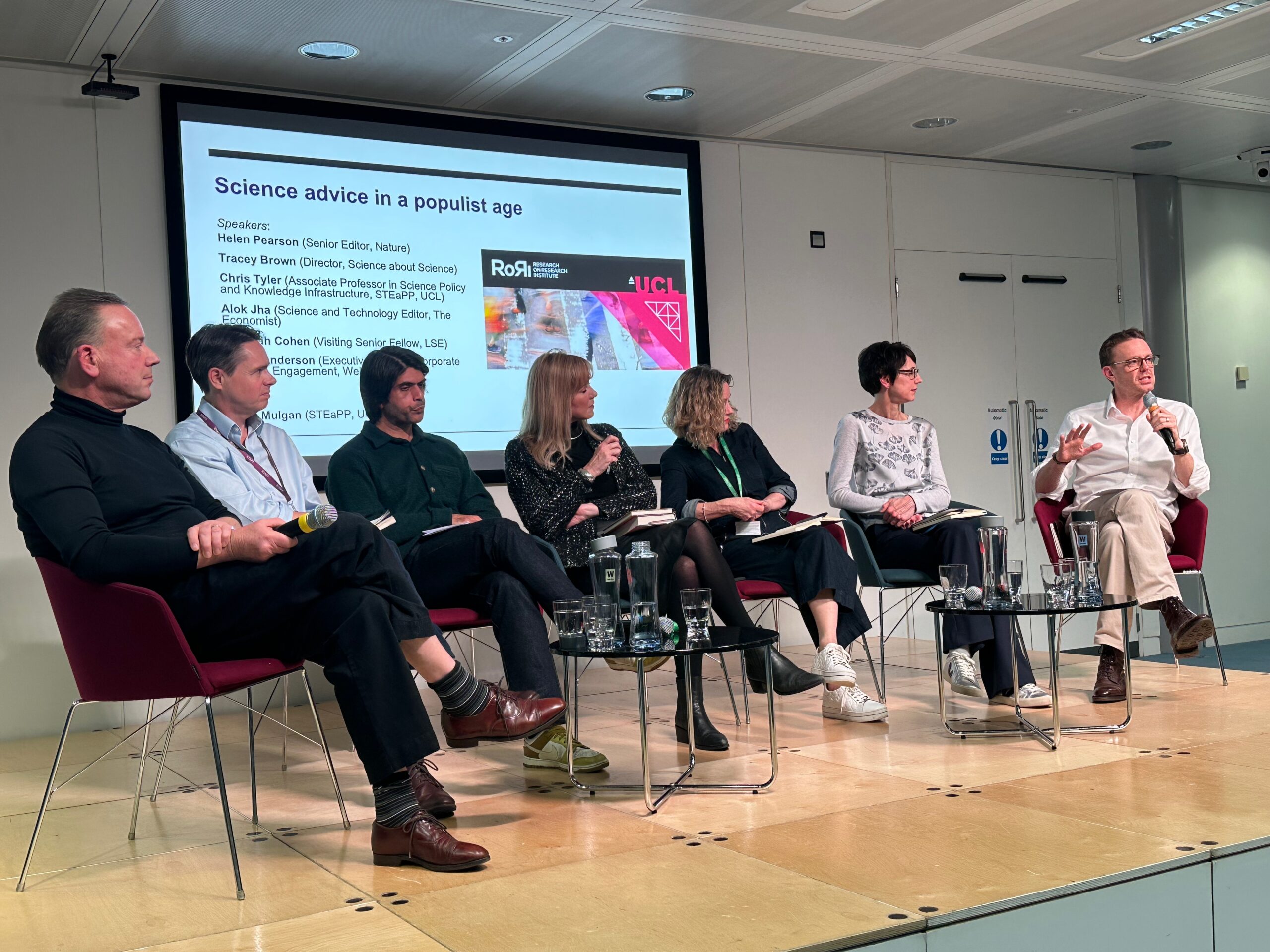
On 1 December, we explored how science advice can adapt in an era of populism, disinformation, and rapidly shifting public trust, in a seminar co-hosted by RoRI, UCL’s Department of Science, Technology, Engineering and Public Policy (STEaPP), and the Wellcome Trust. Speakers included:
- Helen Pearson (Senior Editor, Nature and author of the forthcoming book Beyond Belief: How Evidence Shows What Really Works);
- Tracey Brown (Director, Science about Science);
- Chris Tyler (Associate Professor in Science Policy and Knowledge Infrastructure, STEaPP, UCL);
- Alok Jha (Science and Technology Editor, The Economist);
- Deborah Cohen (Visiting Senior Fellow, LSE);
- Mark Henderson (Executive Director, Corporate Affairs & Engagement, Wellcome).
The seminar examined the growing disconnect between scientific expertise and public perception. Participants highlighted how misinformation, social media amplification, and conspiracy theories increasingly shape public debates on issues from vaccines to environmental policy. Evidence shows that simply asserting facts rarely works; trust is shaped by relationships, the credibility of messengers, peer influence, and how information is framed in people’s everyday lives.
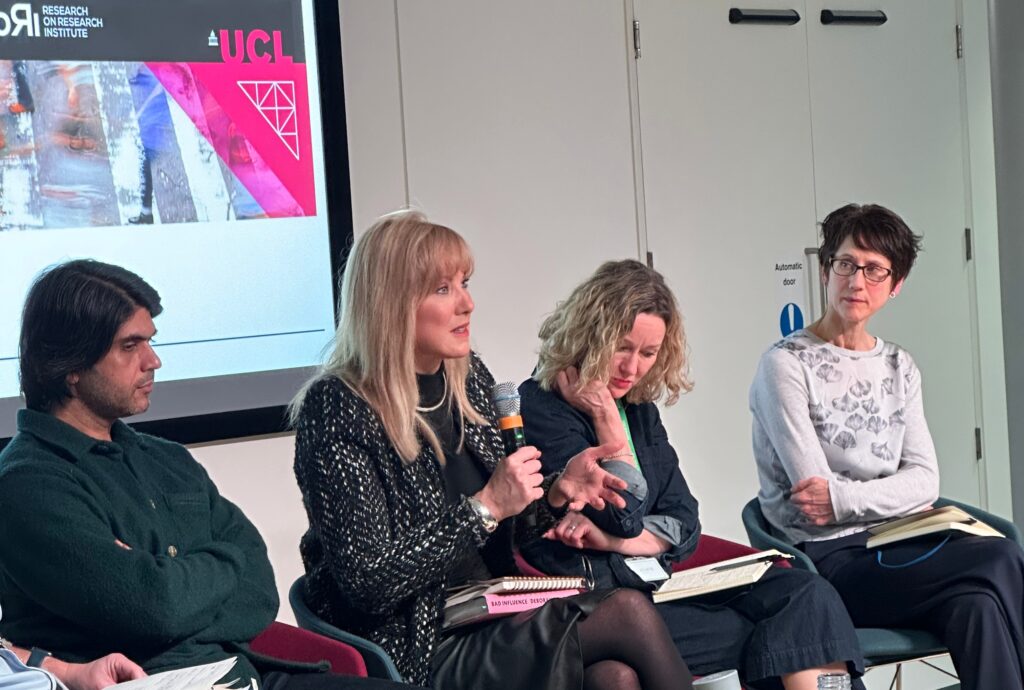
Speakers discussed the importance of moving beyond top-down communication and engaging the public as active participants in scientific discourse. This includes respecting audiences, listening to concerns, and connecting evidence to people’s lived experiences and values.
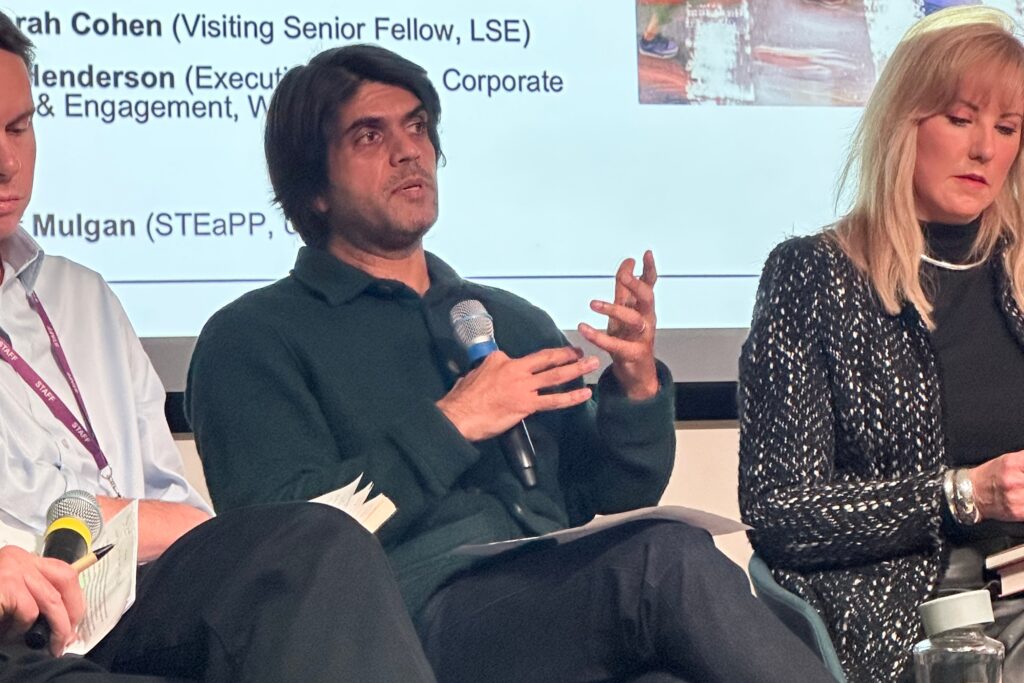
The seminar emphasised several strategies for more effective science advice:
- Building trust through relationships and transparency, rather than relying solely on authority or facts.
- Framing issues in ways that resonate with local contexts, interests, and values.
- Engaging the public as participants, recognising diverse perspectives and forms of knowledge.
- Making evidence accessible, actionable, and relevant to everyday life.
- Acknowledging uncertainty and being open about mistakes to strengthen trust in science.
The discussions also stressed that the science advisory system itself may need reform to remain fit for purpose in an era of rising populism. The speakers highlighted the need to bridge the gap between expertise and public expectations, ensuring that evidence informs policy while maintaining meaningful dialogue with society.